Understanding Automatic Transmission Fluid Changes
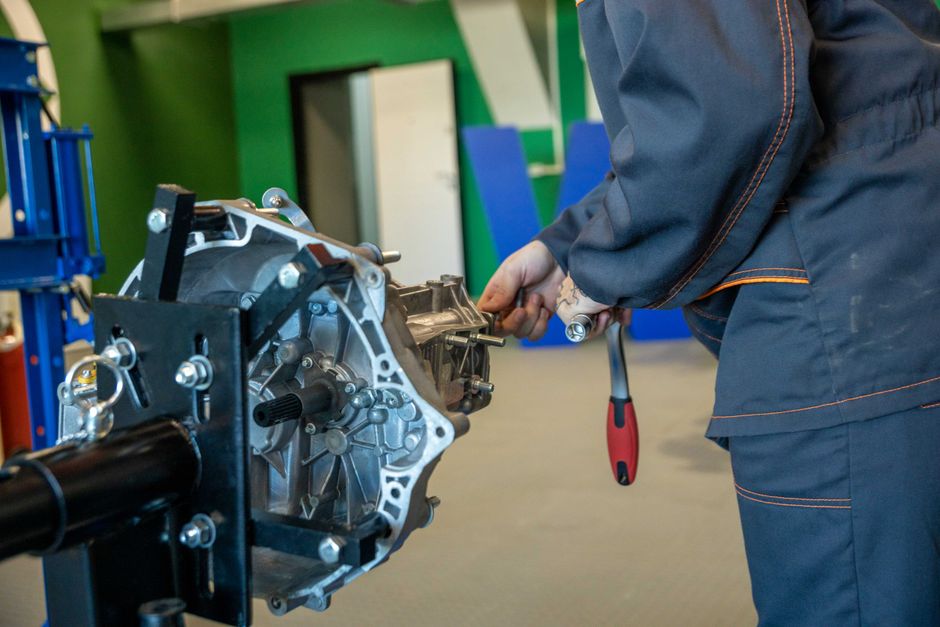
Automatic transmission fluid (ATF) is a specialized lubricant that serves multiple critical functions within a vehicle’s transmission system. Over time, this fluid undergoes chemical and physical degradation due to heat, friction, and contamination. Understanding the natural lifecycle of transmission fluid and the factors that influence its condition can help vehicle owners make informed decisions about maintenance schedules. This article explores the role of ATF, indicators of fluid wear, and general procedures involved in fluid replacement.
While transmission fluid is designed to last for extended periods under normal driving conditions, several variables can accelerate its breakdown. These include frequent stop-and-go traffic, towing heavy loads, extreme temperatures, and neglected maintenance intervals. Recognizing the signs of fluid deterioration and knowing the typical service approaches allows for proactive care that may reduce the risk of transmission complications.
The information presented here is intended as a general overview. Specific transmission designs vary, and manufacturer recommendations should always be consulted for precise guidance. No single maintenance schedule applies universally, and outcomes depend on numerous external factors including driving habits, environmental conditions, and vehicle age.
What Is Automatic Transmission Fluid and What Does It Do?
Automatic transmission fluid is a multi-purpose hydraulic oil formulated to meet the demands of modern automatic transmissions. Its primary functions include lubricating internal components such as gears, bearings, and clutches; transferring hydraulic pressure to engage gear sets; cooling transmission parts; and providing consistent friction properties for smooth shifting. Without adequate fluid properties, transmission performance can degrade significantly.
The chemical composition of ATF includes base oils and a carefully balanced additive package. Additives provide anti-wear protection, oxidation resistance, foam control, and corrosion inhibition. Over time, heat and mechanical stress break down these additives, and the fluid may accumulate microscopic particles from normal wear. This gradual loss of protective properties is a natural process that cannot be entirely prevented, though its pace can be influenced by driving conditions and maintenance practices.
Different types of transmissions—such as traditional stepped automatic transmissions, continuously variable transmissions (CVTs), and dual-clutch transmissions (DCTs)—require fluids with different viscosity and friction characteristics. Using the incorrect fluid can lead to improper operation or damage. Therefore, selecting the fluid specified by the vehicle manufacturer is an essential part of any fluid service.
Common Indicators That Transmission Fluid May Need Attention
Several observable changes can suggest that transmission fluid has degraded or become contaminated. These signs are not definitive proof that a fluid change is required, but they can prompt further evaluation by a qualified technician. One of the most noticeable indicators is a change in fluid color. Fresh ATF is typically bright red or translucent, while aged fluid may appear dark brown or black. A dark color often indicates oxidation or the presence of contaminants.
Another indicator is the smell of the fluid. A burnt odor may suggest that the fluid has been overheated, which can reduce its lubricating and hydraulic properties. Additionally, the consistency of the fluid may change—degraded fluid can become thicker or contain visible particles. Drivers may also notice changes in shifting behavior, such as delayed engagement, harsh shifts, or slipping sensations. These symptoms can arise from low fluid level, degraded fluid, or other mechanical issues, and they should be investigated rather than assumed to be fluid-related alone.
It is important to note that these signs do not necessarily mean immediate failure is imminent. They are signals that the fluid condition merits inspection. A professional transmission service can analyze fluid condition and recommend appropriate action based on observed parameters and manufacturer specifications.
Factors That Influence When a Fluid Change Might Be Considered
The interval at which automatic transmission fluid is changed varies widely among vehicle makes, models, and driving conditions. Many manufacturers provide recommended service intervals in the owner’s manual, often expressed in miles or years. However, these recommendations assume normal operating conditions. Severe driving conditions—such as frequent towing, mountainous terrain, extreme temperatures, or heavy city traffic—can accelerate fluid degradation and may warrant more frequent attention.
Some modern transmissions are marketed as having “lifetime” fluid that does not require routine changes under normal conditions. However, the definition of “lifetime” is not standardized and may refer to the expected lifespan of the vehicle under ideal circumstances. In practice, many automotive professionals suggest that periodic fluid inspection and replacement can contribute to long-term reliability, especially for vehicles that are driven under varied conditions or kept beyond the warranty period.
Another factor to consider is the type of transmission and the specific fluid used. Conventional ATF formulations degrade differently than synthetic or high-performance fluids. Additionally, transmissions that operate at higher temperatures—such as those in heavy vehicles or sports cars—may experience faster fluid breakdown. Rather than relying solely on a fixed mileage interval, periodic fluid condition checks can provide a more accurate basis for deciding whether a change is needed.
General Approaches to Fluid Replacement
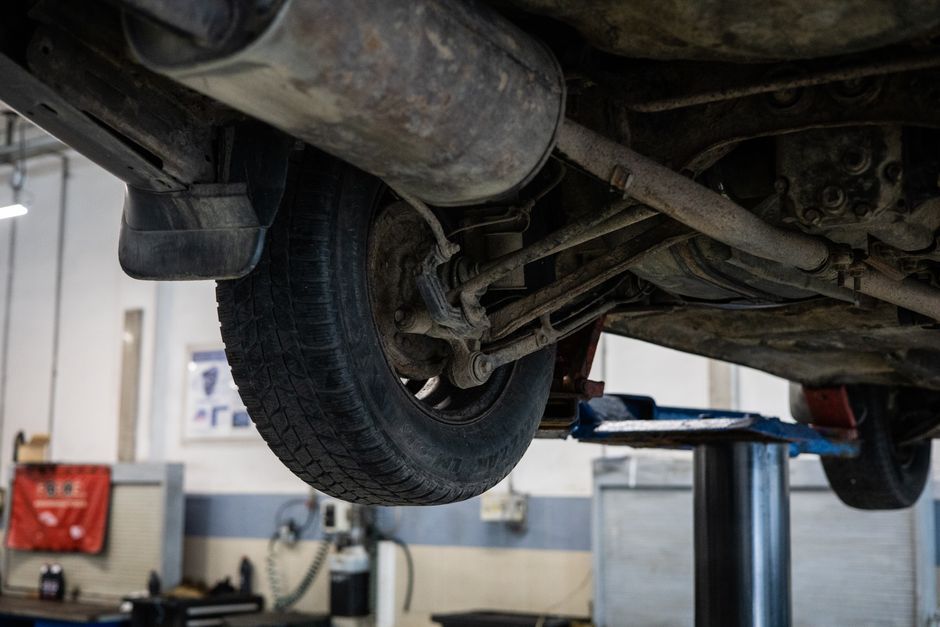
There are two common methods for replacing automatic transmission fluid: the drain-and-fill procedure and the fluid flush. Each approach has distinct characteristics and may be more suitable for certain situations. The drain-and-fill method involves removing the drain plug (if available) or dropping the transmission pan to release a portion of the old fluid. The pan is then cleaned, the filter may be replaced if accessible, and fresh fluid is added. This method typically replaces only a fraction of the total fluid capacity because a significant amount remains in the torque converter and cooler lines.
The fluid flush method uses specialized equipment to push out the old fluid while simultaneously introducing new fluid, often replacing nearly all of the fluid volume. Flushes can be more thorough, but they also carry a higher risk of dislodging debris that may cause issues in older transmissions with significant wear. Whether a flush or drain-and-fill is appropriate depends on the transmission’s condition, maintenance history, and the manufacturer’s recommendations.
Both procedures require careful attention to fluid type, quantity, and proper filling procedures. Overfilling or underfilling can cause transmission problems. In many cases, professional service is recommended because access to transmission components and proper disposal of old fluid are handled according to environmental regulations. The decision to perform a fluid change should be made after evaluating the specific circumstances of the vehicle and consulting reliable sources of information.
Maintaining Transmission Fluid Condition Between Changes
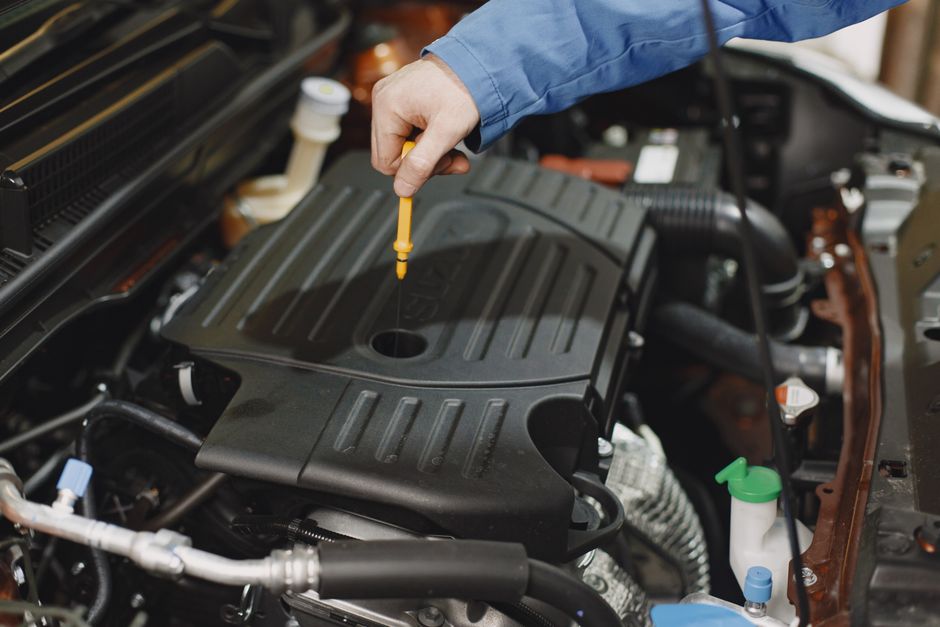
While fluid changes are the primary method of restoring fluid quality, certain driving habits and routine checks can help maintain fluid condition over time. Regularly inspecting the fluid level and appearance using the dipstick (if equipped) can provide early indications of problems. Keeping the transmission cool by avoiding excessive loads and ensuring the vehicle’s cooling system is functioning properly can slow fluid oxidation.
In addition, following the vehicle’s recommended maintenance schedule for other components—such as engine coolant and air filters—can indirectly support transmission health. A well-maintained engine produces less heat and runs more efficiently, reducing thermal stress on the transmission. However, these measures do not eliminate the eventual need for fluid service; they only influence the rate at which fluid degradation occurs.
Ultimately, the condition of automatic transmission fluid is one of many factors that contribute to transmission performance. Regular inspections by a qualified technician, combined with an understanding of the vehicle’s operating environment, provide the most reliable basis for maintenance decisions. No single practice guarantees trouble-free operation, but informed attention to fluid condition can be part of a comprehensive vehicle care approach.