Comparing Front-Wheel Drive vs Rear-Wheel Drive
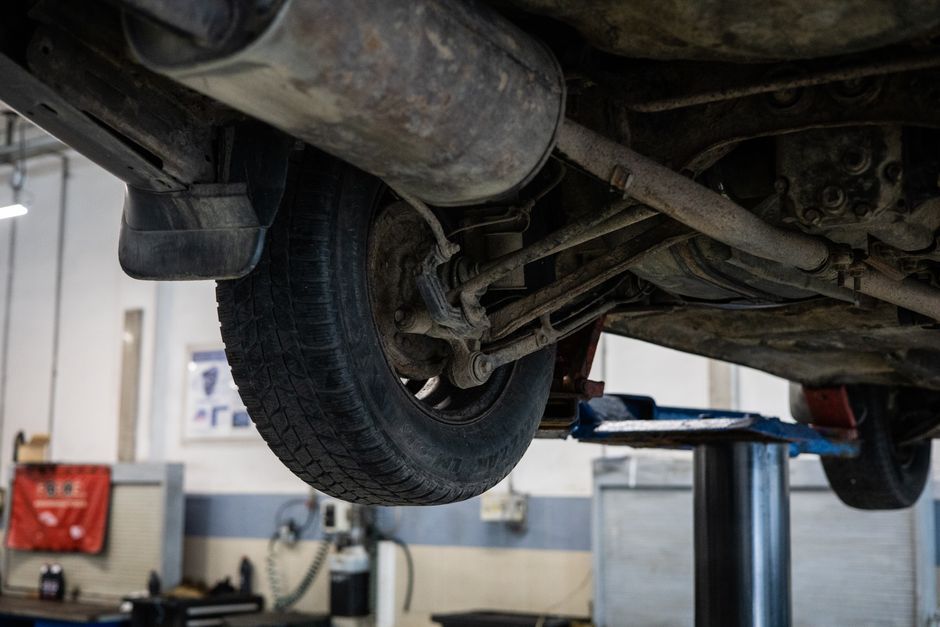
When selecting a vehicle, understanding the drivetrain configuration is an important step in the decision-making process. Two common layouts are front-wheel drive (FWD) and rear-wheel drive (RWD), each with distinct engineering approaches that influence how a car behaves on the road. FWD systems deliver power to the front wheels, while RWD systems send power to the rear wheels. These fundamental differences affect handling, traction, and maintenance requirements in ways that may align with different driving preferences and conditions.
Automakers have adopted both configurations for decades, with FWD becoming dominant in many passenger cars and RWD remaining prevalent in trucks, performance vehicles, and some luxury models. The choice between them often depends on factors such as climate, driving habits, and vehicle usage. This article examines the technical and practical aspects of each system, focusing on how they operate and what drivers might expect in everyday scenarios.